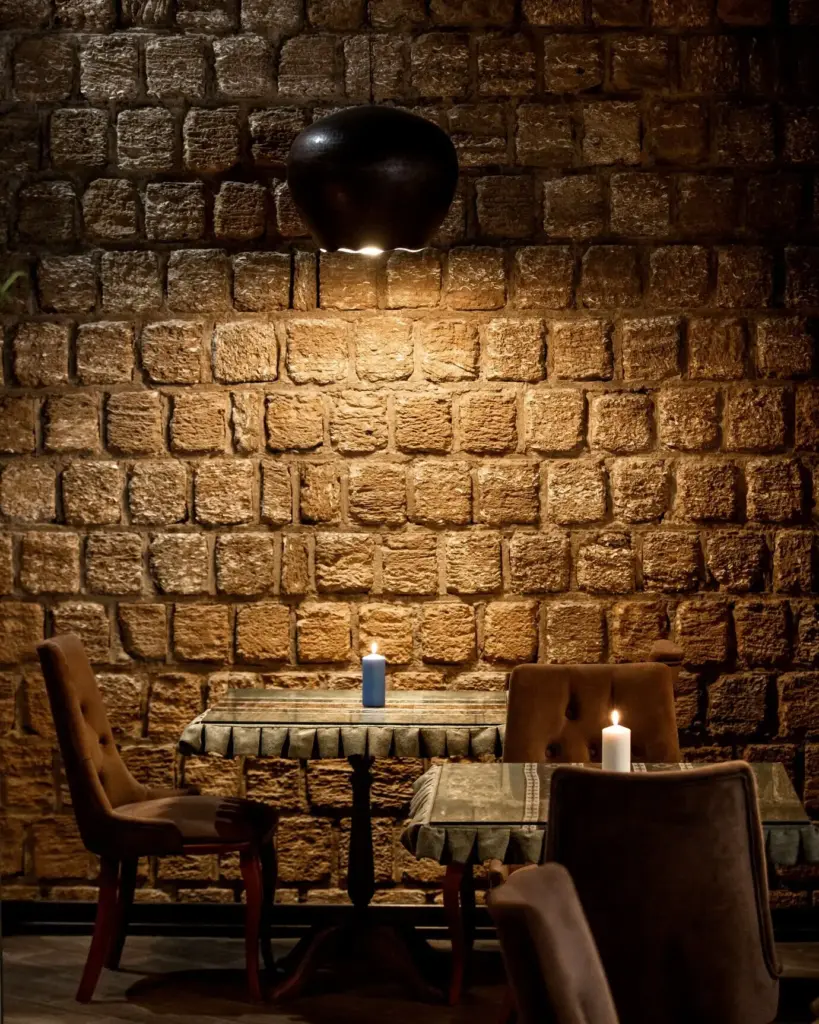
Quiet Luxury for Creative Spaces

Today we’re exploring soft acoustics and textiles to create a serene, luxe atmosphere in studios. Discover how plush materials, layered absorption, and elegant finishes hush harsh reflections while honoring personality, workflow, and style. Whether you record, paint, teach, or meditate, you’ll leave with practical steps, real-world anecdotes, and thoughtful prompts for your next upgrade. We invite you to test ideas, share photos of progress, ask questions in the comments, and help others refine their own beautiful, whisper-quiet environments.

Calming Soundscapes Without Compromise

A peaceful studio does not have to feel dead or dull. The goal is a flattering decay that preserves detail while smoothing edges, supporting long, focused sessions. We’ll reference typical small-room targets like controlled early reflections and an RT60 that avoids flutter, then help you balance absorption with gentle diffusion. Expect material shortcuts, mounting tricks, and placement tips that keep your walls elegant, your ears relaxed, and your creative energy charging forward without strain.

Textiles That Whisper Luxury

Great textiles soothe by sight and touch before you hear the difference. Velvet, bouclé, wool, and linen calm reflections, soften edges, and cue a feeling of care. Focus on handfeel, drape, and fullness for curtains; consider upholstery with robust rub counts for durability. Combine tonal layers, subtle patterns, and tactile contrasts that photograph beautifully and wear gracefully. Ask for swatch bundles, test folds in your light, and share which combinations surprised you with elegance and warmth.

Color, Light, and Quiet

Color temperature, reflectance, and finish influence how sound is perceived and how long minds stay relaxed. Muted palettes and matte coatings keep glare low, making textiles appear deeper and sound feel less splashy. Layer lighting—ambient, task, and accent—through fabric shades that diffuse harsh edges. Dimmer controls and warm-to-cool transitions guide energy through the day. Share your palette decisions, lamp swaps, and favorite dim levels that support focus, conversation, creativity, and effortless decompression.

Furniture That Softens the Room

Comfortable furniture is acoustic equipment disguised as hospitality. Rounded edges, deep cushions, and generous upholstery break up reflections and invite longer, kinder sessions. Think modular pieces that adapt to recording, sketching, or stretching without fuss. Seek frames that last, textiles that wear beautifully, and silhouettes that harmonize with panels and curtains. Share floor plans, movable arrangements, and personal rituals—tea trays, throws, or footstools—that quietly extend grace to guests and collaborators.

Curves Over Corners

Curved sofas, barrel chairs, and rounded tables scatter energy more naturally than sharp geometry while feeling friendlier to the body. These shapes reduce elbow anxiety in tight rooms and photograph with elegant softness. Combine curves with low-sheen finishes to avoid visual noise. Post sketches of layout experiments and explain how conversation circles, mic placement, or canvas positioning became easier, producing fewer interruptions, smoother takes, and a noticeable rise in comfort and mutual presence.

Rugs, Pads, and Underlays

A rug alone helps, but the right pad multiplies the effect. Choose dense felt or recycled fiber underlays to add mass, tame slap, and keep rugs stable. Vary pile heights across zones for subtle acoustic shading. Contrast a patterned runner with a solid medallion rug to guide foot traffic and energy. Share vacuum schedules, edge binding solutions, and sound clips that demonstrate how footsteps, chair slides, and cable movement softened after layering thoughtfully.

Zoning With Fabric

A woven screen or draped track can quietly divide focus areas, creating intimacy without walls. Choose textiles with complementary opacity so light passes but sound mellows. Add hidden magnets or weighted hems for clean lines. Post your favorite configurations—editing nook, meditation corner, client lounge—and describe how switching positions now feels intuitive. Invite commenters to suggest fabric combinations that balance privacy, friendliness, and flow, especially in rooms that must shift roles daily.

Doors, Seals, and Gaps

Soft interiors struggle when gaps leak. Install compressible seals, denser cores, and thresholds that meet neatly. A heavy curtain on a ceiling track behind the door adds another forgiving layer. Document decibel improvements with simple apps and subjective impressions—fewer hallway distractions, clearer calls, calmer clients. Encourage readers to list quick gap fixes they tried in an afternoon, proving that many transformative changes begin with unnoticed edges rather than showy, expensive centerpieces.

Ceiling Clouds on a Budget

Hang lightweight panels wrapped in beautiful fabric to calm flutter without clutter. Maintain a few inches of air gap for better low-mid control, and align clouds above talk areas or workstations. Choose textiles that echo other surfaces for a cohesive look. Post a build log, cost breakdown, and mounting tips, plus safety checks. Readers will appreciate how small investments in the overhead plane can transform fatigue into ease during long, concentrated sessions.

Stories From Real Studios

Real spaces teach best. We gathered field notes from creators who paired gentle acoustic treatment with tactile, handsome textiles. Look for the mix of measurable improvements and emotional wins—fewer retakes, kinder conversations, deeper breaths. These stories offer practical benchmarks and affirm that comfort is not indulgence; it is a tool. Add your experience below, so others can learn from setbacks, hacks, and joyful surprises discovered in the quiet glow of refined rooms.

The Podcaster’s Glow-Up

A producer swapped thin blankets for lined velvet curtains with two-times fullness, added three broadband panels with air gaps, and placed a wool rug under the desk. RT60 dropped noticeably, and interviewees reported feeling instantly at ease. Listeners praised intimacy and clarity. Share your own signal chain and fabric choices, and tell us which upgrade changed your voice’s confidence most—placement, density, or the calming psychology of soft, generously proportioned materials.

The Painter’s Soft Light

A small studio with concrete floors embraced linen drapes, matte walls, and a cloud above the easel. Glare mellowed, colors read truer, and long sessions hurt less. The artist noted fewer harsh echoes when stepping back to judge work. She mixed textured textiles with simple diffusers for balance. Post your palette tests and lighting snapshots, and explain how quieter surfaces improved critique moments when decisions rely on subtle perception and steady nerves.

The Yogi’s Deep Breath

A teacher layered bouclé bolsters, thick mats, and wool throws with a double curtain wall that shielded hallway chatter. Students reported arriving frazzled and leaving spacious, describing the room as a soft exhale. Ambient playlists sounded warmer, and transitions between poses felt unhurried. Share your restorative corner setups and how you guide clients to notice calm returning. Encourage others to report simple cues—longer inhales, softer voices—that reveal real transformation beyond measurements.
Xapomitufilelurakezo
Privacy Overview

This website uses cookies so that we can provide you with the best user experience possible. Cookie information is stored in your browser and performs functions such as recognising you when you return to our website and helping our team to understand which sections of the website you find most interesting and useful.